
Latest Turkey Logistics Trends: What You Need to Know
The logistics sector in Turkey is evolving fast. New technologies, changing regulations, and shifting market demands shape the way goods move across the country and beyond. If you work in production, import, export, or cargo services, staying updated on these trends is crucial. This post breaks down the latest developments in Turkey logistics. You will find practical insights and examples to help you optimize your supply chain and grow your business.
Key Turkey Logistics Trends to Watch
Turkey’s strategic location between Europe and Asia makes it a vital logistics hub. Several trends are driving change in this sector:
Digital Transformation: More companies use digital tools to track shipments, manage inventory, and optimize routes. This reduces delays and cuts costs.
Sustainability Focus: Green logistics practices gain importance. Businesses adopt electric vehicles, optimize packaging, and reduce carbon footprints.
Infrastructure Investments: New highways, rail links, and ports improve connectivity. This supports faster and more reliable transport.
E-commerce Growth: The rise of online shopping increases demand for last-mile delivery and warehousing solutions.
Customs and Trade Facilitation: Simplified customs procedures and free trade agreements boost cross-border trade.
These trends affect how you plan and execute logistics operations. Let’s explore each in more detail.
Digital Transformation in Turkey Logistics
Digital tools are no longer optional. They help you monitor shipments in real time, predict delays, and communicate with partners instantly. For example, GPS tracking devices on trucks provide live location data. Warehouse management systems automate stock control and order picking.
You can also use data analytics to identify inefficiencies. For instance, analyzing delivery routes may reveal opportunities to reduce fuel consumption or avoid traffic jams. Mobile apps enable drivers to update status and report issues quickly.
Investing in digital solutions improves transparency and customer satisfaction. It also supports compliance with regulations by maintaining accurate records.

Sustainability and Green Logistics Practices
Environmental concerns influence logistics decisions. You can reduce your carbon footprint by:
Using electric or hybrid trucks for urban deliveries
Optimizing load capacity to minimize empty runs
Choosing eco-friendly packaging materials
Implementing reverse logistics for recycling and returns
Many companies in Turkey now measure their environmental impact and set reduction targets. This not only helps the planet but also appeals to eco-conscious customers and partners.
For example, some cargo firms use route optimization software to cut fuel use. Others invest in solar panels at warehouses to power operations sustainably.
Infrastructure Developments Boosting Logistics Efficiency
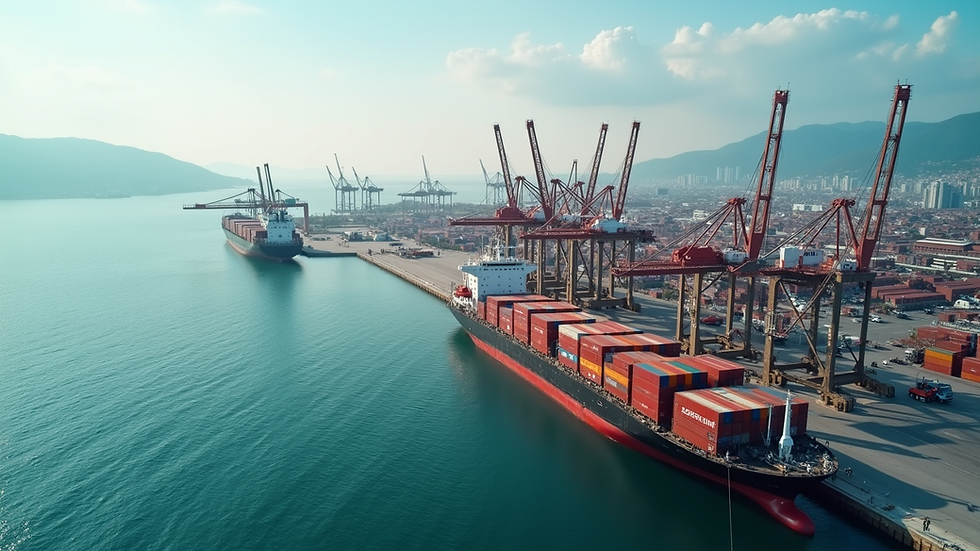
Turkey invests heavily in transport infrastructure. New highways connect industrial zones to ports and borders. Rail freight corridors link Turkey with Europe and Central Asia. Upgraded ports handle larger volumes and faster loading.
These improvements reduce transit times and costs. For example, the Marmaray rail tunnel under the Bosphorus allows uninterrupted freight movement between Asia and Europe. The new Istanbul Airport supports air cargo growth.
You should monitor infrastructure projects near your supply chain routes. Adjusting your logistics network to leverage these assets can enhance reliability and speed.
E-commerce and Last-Mile Delivery Challenges
E-commerce sales in Turkey grow rapidly. This creates new logistics demands, especially for last-mile delivery. Customers expect fast, flexible, and affordable shipping options.
To meet these needs, logistics providers use:
Local distribution centers close to urban areas
Parcel lockers and pick-up points for convenient collection
Real-time delivery tracking and notifications
Alternative delivery methods like electric bikes or drones in some cases
If you handle e-commerce shipments, focus on speed and accuracy. Investing in technology and local partnerships can improve your service quality.
Customs and Trade Facilitation Updates
Turkey’s customs procedures have become more streamlined. Electronic declarations and risk-based inspections speed up border crossings. Free trade agreements with the EU and other countries open new markets.
You should stay informed about regulatory changes and compliance requirements. Proper documentation and classification avoid delays and fines.
Using customs brokers or logistics partners with expertise in Turkish trade regulations can simplify the process. This helps you maintain smooth cross-border operations.
How to Adapt Your Logistics Strategy
To benefit from these trends, consider the following steps:
Assess your current logistics setup: Identify bottlenecks and areas for improvement.
Invest in digital tools: Start with shipment tracking and warehouse management systems.
Adopt sustainable practices: Evaluate your fleet and packaging for greener options.
Leverage infrastructure upgrades: Reroute shipments to use new highways or rail links.
Enhance last-mile delivery: Use local hubs and technology to meet customer expectations.
Stay compliant with customs: Keep up to date with regulations and use expert support.
By doing this, you can reduce costs, improve service, and grow your business in Turkey and Europe.
For more detailed insights and updates, check out this turkey logistics blog.
Future Outlook for Turkey Logistics
The logistics sector in Turkey will continue evolving. Automation, AI, and blockchain may become more common. Sustainability will remain a priority. Infrastructure projects will expand connectivity further.
You should keep monitoring these developments and adapt your strategy accordingly. Building strong partnerships and investing in technology will help you stay competitive.
Turkey’s position as a logistics hub between continents offers great opportunities. With the right approach, you can simplify your supply chain and support your business growth.
This overview of the latest Turkey logistics trends aims to help you navigate the changing landscape. Use these insights to make informed decisions and improve your operations. The future of logistics in Turkey looks promising for those who embrace innovation and sustainability.


Comments